How To Actually Read A Supplement Return Policy
A prominent '60-day guarantee' badge on a product page tells you almost nothing about what using that guarantee will actually cost or require.
Here's what to check in the actual Terms of Service before you rely on any guarantee.
Why the badge and the terms are different documents
A guarantee badge is marketing. The actual Terms of Service page — usually linked in small text at the bottom of the site — is the document that legally governs what happens when you try to use it. These can say very different things.
Four things worth checking specifically
1. Is a return authorization required? Many policies require you to contact support and receive an authorization code before sending anything back — you can't simply mail a product in.
2. Who pays for return shipping? Some guarantees cover this; many don't, which is a real cost on a multi-bottle order.
3. Is there a processing or restocking fee? Even an approved return can carry a fee — sometimes a flat amount, sometimes a percentage of the order value.
4. What's the actual time window, and when does it start? Some policies count from the order date, others from the delivery date, which can matter if shipping takes a while.
A practical approach
Before ordering, search the site specifically for ‘Terms of Service’ or ‘Refund Policy’ and read the actual return conditions, not just the marketing badge. If you can't easily find this page, treat that itself as a data point.
How this applies here
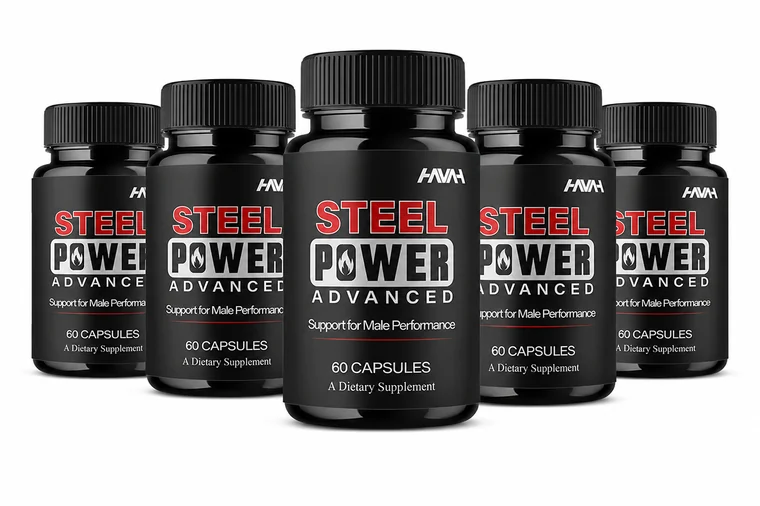
Source-verified review of Steel Power's Terms of Service found exactly this pattern: a return authorization requirement, buyer-paid shipping, and a processing fee of up to 20% on approved returns. See our full honest verdict for how we weighed this.